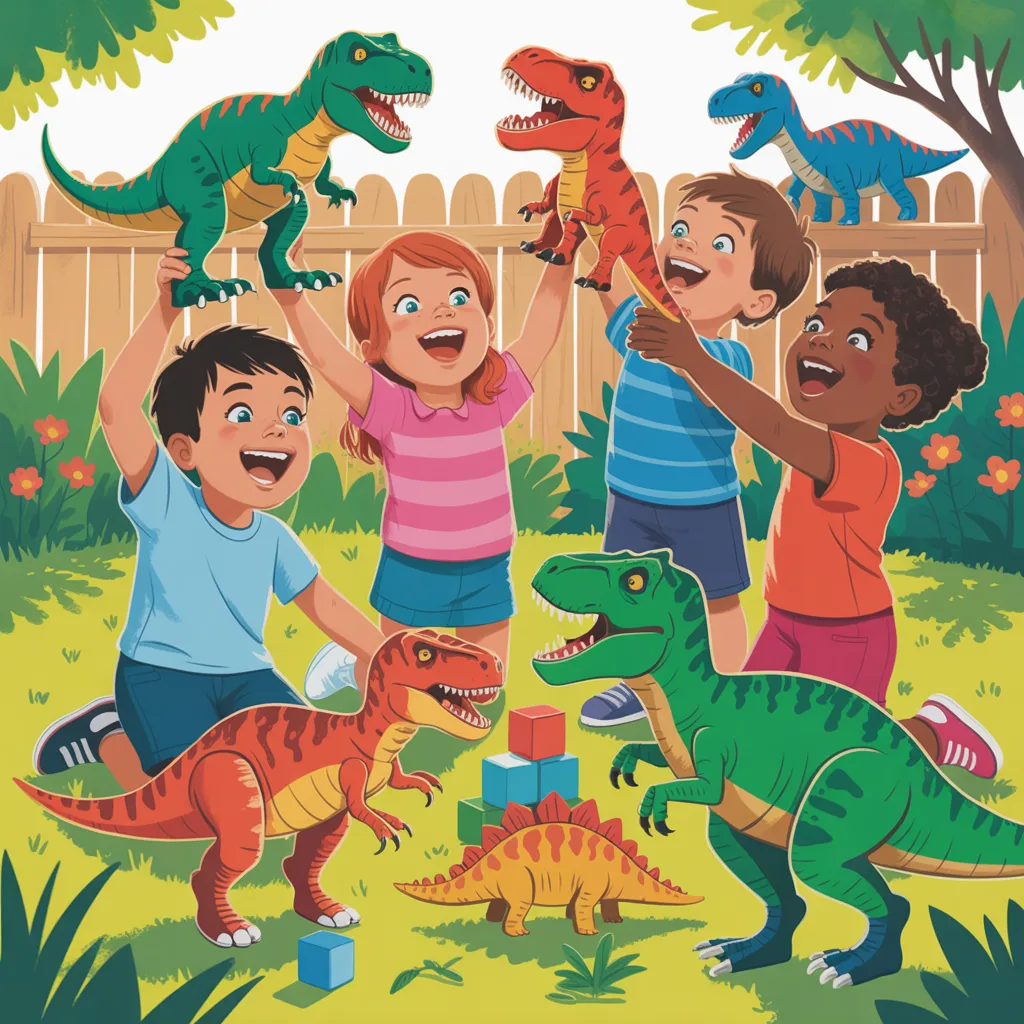
Every so often a parent asks me whether the wooden rainbow stacker on the shelf is worth the money, or whether it is another beautiful object that will sit there collecting dust while the kids fight over the plastic dinosaur. Fair question. I have watched a $60 wooden toy lose to a cardboard box in under four minutes, and I have also watched a $20 set of wooden blocks keep three kids busy for an entire rainy afternoon.
Eco-friendly learning toys earn their price when they get played with, not when they look good in a photo. Below are seven that tend to survive real children, what each one actually teaches, and how to read a “green” label without getting fooled. One thing to know up front: “eco-friendly” is not a regulated term, so any brand can print it on a box. The certifications are what matter.
Why Choose Eco-Friendly Toys?
1. Safe for Kids and the Planet
Many eco-friendly toys are made from non-toxic, natural materials like wood, organic cotton, or recycled plastic, so they are safer for little ones to mouth and handle and gentler on the environment. That matters most for kids under three, who put everything in their mouths.
2. Durable and Long-Lasting
Unlike flimsy plastic toys, sustainable toys are built to last, which reduces waste and often turns them into hand-me-downs. A good wooden set can outlast three children and still look fine.
3. Educational and Meaningful
Many eco-friendly toys focus on creativity, problem-solving, and hands-on learning, which lines up well with how young children actually develop. Open-ended toys tend to grow with a child instead of being outgrown in a season.
4. Supports Ethical Practices
Choosing sustainable toys often means supporting companies that prioritize fair labor, responsible sourcing, and greener manufacturing. You are voting with your wallet, and kids notice when you explain why.
Top Eco-Friendly Learning Toys for Kids
1. Wooden Building Blocks
What They Teach: Fine motor skills, spatial reasoning, creativity. Timeless and versatile, wooden building blocks are a must-have for any playroom. Look for options made from sustainably sourced wood with non-toxic, water-based paint.
Our Pick: Grimm’s Rainbow Stacker
Made from FSC-certified wood.
Encourages open-ended play.
2. Solar-Powered STEM Kits
What They Teach: Renewable energy, engineering, critical thinking. Introduce kids to green technology with solar-powered kits that let them build and explore working models like cars, robots, and windmills.
Our Pick: Thames & Kosmos Solar Workshop
Hands-on learning about solar energy.
Best for kids aged 8 and up, with an adult nearby for the first build.
3. Organic Cotton Stuffed Animals
What They Teach: Emotional development, imaginative play. These cuddly companions are made from organic cotton and dyed with plant-based or non-toxic dyes, making them safe for hugs and cuddles.
Our Pick: Under the Nile Organic Cotton Dolls
Fair trade and sustainably made.
Machine washable for easy care.
4. Recycled Plastic Bath Toys
What They Teach: Cause and effect, water play exploration. Bright, colorful, and made from recycled materials, these toys make bath time fun and environmentally friendly.
Our Pick: Green Toys Submarine
BPA-free, phthalate-free, and dishwasher safe.
Made entirely from recycled milk jugs.
5. Nature-Inspired Playsets
What They Teach: Appreciation for nature, imaginative play. Wooden animal figures, treehouses, or gardening kits encourage kids to explore the wonders of nature.
Our Pick: Tender Leaf Toys Forest Playset
Made from sustainable rubberwood.
Beautifully crafted and durable.
6. Eco-Friendly Art Supplies
What They Teach: Creativity, fine motor skills. Art supplies like beeswax crayons or plant-based paints let kids express themselves while staying eco-conscious.
Our Pick: Eco-Kids Natural Finger Paint
Made from food-safe, natural ingredients.
Vibrant, washable, and non-toxic.
7. DIY Cardboard Construction Kits
What They Teach: Engineering, problem-solving, creativity. Let kids transform sturdy cardboard pieces into forts, vehicles, or anything they imagine.
Our Pick: Makedo Cardboard Construction Kit
Includes safe tools for cutting and connecting cardboard.
Encourages upcycling and imaginative play.
How to Spot Greenwashing on a Toy Box
A leaf icon and the word “natural” mean nothing on their own. Look for these instead:
FSC or PEFC on wooden toys: the wood comes from responsibly managed forests.
GOTS on cotton: the fabric is genuinely organic, not just “cotton.”
ASTM F963 or EN71 on the label: the toy passed standard safety testing.
“Recycled” without a percentage: ask how much. “Made with recycled plastic” can mean 5 percent.
A quick sanity check: if the box spends more space on the word “eco” than on safety testing, put it back.
Tips for Choosing Eco-Friendly Toys
Look for Certifications: Choose toys with labels like FSC-certified wood, GOTS-certified organic cotton, or BPA-free plastic.
Support Small Businesses: Many small companies specialize in sustainable toys and ethical practices.
Consider Longevity: Opt for toys that grow with your child and can be passed down.
Prioritize Open-Ended Play: Toys that encourage creativity and multiple uses often have a longer lifespan.
If you want a wider list to compare against, our educational toys by age guide covers the plastic side of the shelf too. And if the goal is language, a lot of these toys pair well with the games in our teach English and Spanish through play post.
Conclusion
Eco-friendly toys are more than a trend. They teach kids about sustainability while offering enriching play, and the good ones get used until they fall apart. From wooden blocks to solar-powered kits, these toys inspire creativity, problem-solving, and environmental awareness. By choosing sustainable options, you give your child tools to learn and grow while making the world a little greener. Let’s play responsibly.