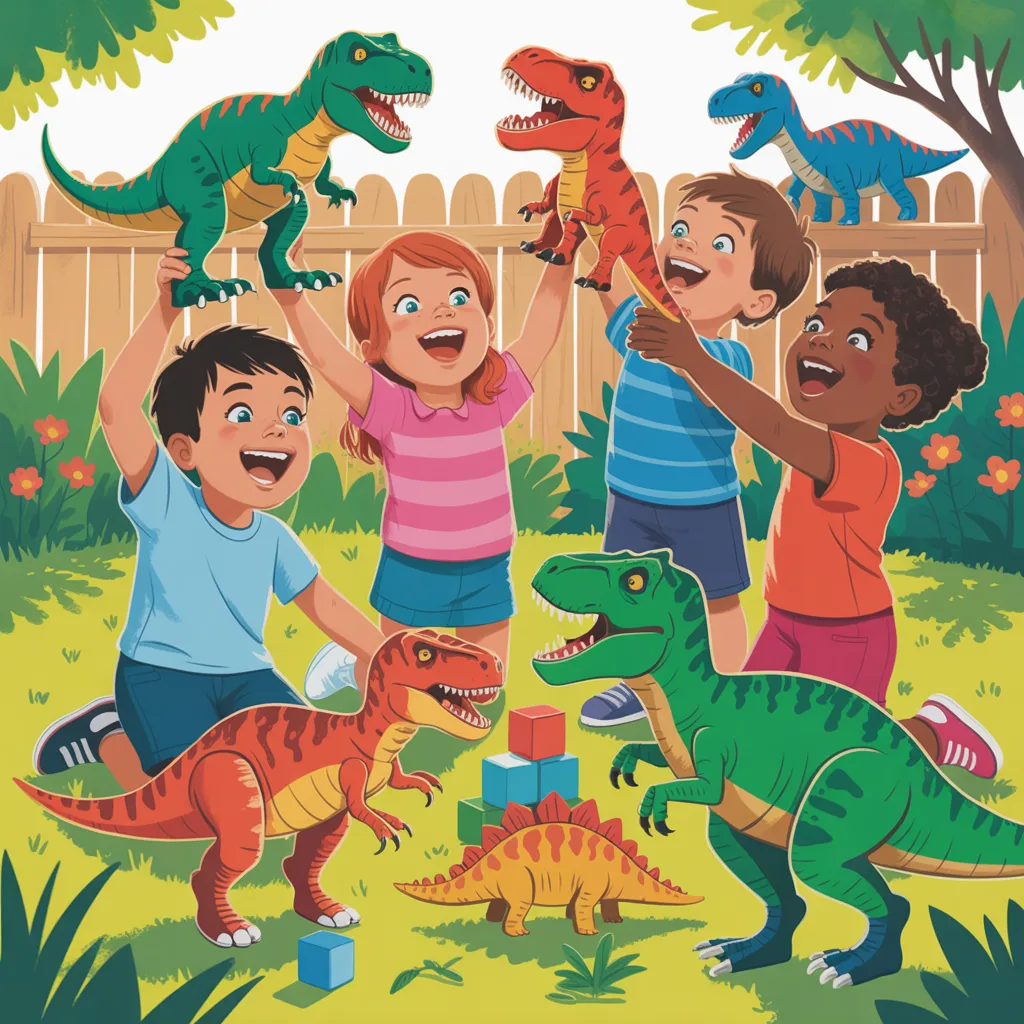
Have you ever stopped to wonder why kids are so incredibly obsessed with dinosaurs? Try walking into a preschool classroom without stepping over at least one T-Rex toy, or getting through a car ride without hearing a Velociraptor impression from the back seat. As an educator (and the aunt who has spent a full twenty minutes debating Triceratops vs. Stegosaurus with a very opinionated 5-year-old), I’ve watched this phenomenon up close. What is it about these prehistoric creatures that captures young imaginations so intensely?
Turns out, there’s a bit of magic behind the mystery. Dinosaurs ignite curiosity because they’re larger than life, mysterious yet scientifically real. They offer kids a safe way to explore big concepts like time, extinction, and scale without the emotional weight that comes with modern-day animals. Plus, let’s admit it: dinosaurs are just incredibly cool.
Why Do Kids Love Dinosaurs So Much?
Kids have an innate fascination with anything gigantic, unusual, or slightly scary. Dinosaurs fit all three categories perfectly. Children marvel at creatures like Brachiosaurus, which towered over buildings, or the famously terrifying Tyrannosaurus Rex, basically nature’s ultimate supervillain. Dinosaurs bridge the gap between fantasy and reality: they’re monsters that really existed, creatures from stories that also show up in museum exhibits. For kids, that’s pure magic.
Psychologists suggest dinosaurs spark curiosity precisely because they balance wonder with a sense of control. Children feel empowered knowing names, facts, and details that even many adults don’t remember. If you’ve ever been corrected by a four-year-old on the pronunciation of “Ankylosaurus,” you know exactly what I’m talking about. There’s also something reassuring about a creature that is definitively, safely extinct. It’s scary, but it can’t get you.
Most Popular Dinosaurs Kids Can’t Get Enough Of
Every kid has their favorite dinosaur, but these species regularly top the charts:
Tyrannosaurus Rex (T-Rex): Obviously. The king of dinosaurs, known for giant teeth, tiny arms, and an impressive roar. It’s also every kid’s first dinosaur impression.
Velociraptor: Fast, clever, and made wildly famous by Jurassic Park. These dinos keep kids fascinated and often spark conversations about speed, hunting, and strategy.
Triceratops: The beloved horned dino, gentle-looking yet tough. A favorite among younger children for its distinctive horns and frill.
Stegosaurus: Recognizable for its iconic back plates and spiked tail. Kids love it for its unique look and gentle demeanor, despite its fierce self-defense.
Brachiosaurus: Towering, gentle giants. Children marvel at their size and love imagining what life would have looked like from up high.
Ankylosaurus: Known for its armored body and club-like tail, this dinosaur makes learning about prehistoric defenses fun and engaging.
One detail that reliably delights kids: some dinosaur names are basically tiny vocabulary lessons. Triceratops means “three-horned face.” Stegosaurus means “roofed lizard.” Once a child learns that, they start trying to decode every name on the shelf.
How to Turn Dinosaur Fascination into Real Learning
Here’s the best part: the dinosaur obsession isn’t just a cute phase. It’s an educational goldmine. You can easily channel your kid’s enthusiasm into meaningful learning:
Vocabulary & Pronunciation: Dinosaur names, often complex and multisyllabic, boost phonics and vocabulary skills naturally. Try interactive pronunciation games, like a Dinosaur Name Pronunciation Guide, to make learning fun.
Creative Storytelling: Dinosaurs naturally spark stories and imaginative play. Encourage children to create their own dinosaur adventures, or use storybooks featuring dinosaur characters to develop storytelling and creativity. (My go-to move is asking a kid to invent a dinosaur nobody has ever discovered yet. The answers are worth writing down.)
If your child prefers watching to reading, the same curiosity transfers nicely to screen time that actually teaches something. Dr. Binocs covers dinosaur facts in short, kid-sized videos, and these educational YouTube channels are a decent starting point when you want something more than a random clip.
And if the dinosaur phase turns into a naming-everything phase, you can stretch it into language learning. A child who can rattle off “Ankylosaurus” is not intimidated by long words in another language. A kid-friendly language app can pick up that momentum without turning it into homework.
And Finally, Embrace the Dinosaur Phase
Kids’ fascination with dinosaurs might seem like just another phase, but it’s also an incredible gateway to lifelong learning. Dinosaurs teach children about curiosity, exploration, history, and science, all wrapped in wonder and excitement.
Whether your kids are roaring around the house as a T-Rex or carefully explaining the difference between Allosaurus and Velociraptor to their grandparents, these prehistoric creatures open doors to creativity and knowledge. So next time your child begs for another dinosaur book, app, or museum trip, remember: this phase is more than fun. It’s the foundation of an imaginative, curious, lifelong learner.